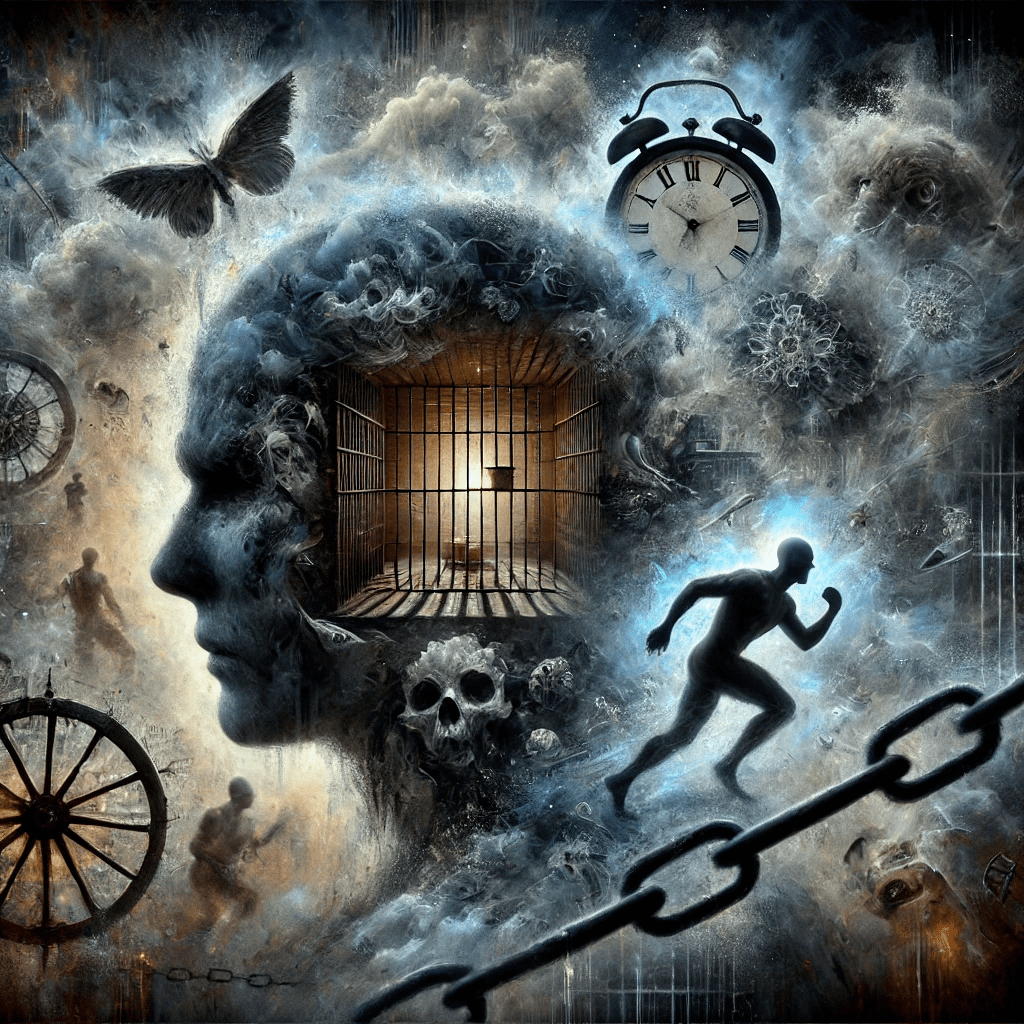
Life after prison feels like a strange dance with shadows, each step weighed down by reminders of the past. The world outside may see freedom, but for those of us who’ve been incarcerated, the invisible chains of post-traumatic stress linger in ways that few could ever imagine. These aren’t just inconvenient quirks or passing fears—they’re deeply ingrained survival mechanisms, habits carved into the soul by necessity.
I served two years and eight months. In the grand scheme of incarceration, that’s a blink compared to what so many others have endured. It doesn’t even come close to the years some have served or the devastating things they’ve seen. The horrors they’ve lived through are things no one should have to endure, and for many, those experiences will never leave them. Some memories stay lodged in your mind forever—moments of fear, violence, or heartbreak that replay like an unwelcome film reel, unrelenting and haunting.
Take sitting with your back to the door, for example. It’s about more than vigilance—it’s about survival. In prison, not knowing who’s coming through that door could mean danger. Even years later, sitting anywhere but with a clear view of the entrance feels like an invitation for anxiety.
Changing clothes in front of others is another quiet struggle. In prison, privacy is stripped away—your body becomes public, scrutinized, and vulnerable. Even in freedom, that sense of exposure lingers, making what should be a simple act feel deeply uncomfortable.
Going to the doctor, especially a gynecologist for women, is a stark reminder of vulnerability. The physical exposure and emotional triggers bring back memories of being powerless, of having no say over your own body.
Crowds bring their own unique stress. Incarceration teaches you to be hyper-aware of your surroundings—who’s near you, what they’re doing, where the exits are. In a crowd, there’s no control, no way to anticipate every movement, leaving you overwhelmed and emotionally drained.
Abandonment runs deep. Many relationships don’t survive incarceration, leaving a painful mark. Even years after release, the fear of being left behind can haunt you, making trust an uphill battle.
Impostor syndrome adds another layer. No matter how much progress you make, there’s a constant voice whispering that you don’t belong—that you’re still defined by your worst moments. Success feels like a fluke, and you brace for the day it might all come crashing down.
The simple sound of a door slamming shut can send shockwaves through your body. It’s not just a noise; it’s a trigger that pulls you back to the feeling of a cell door locking, of being confined, powerless, and unseen.
Meals in prison are often hurried, eaten in silence, or accompanied by an air of tension. For many, dining with family or friends becomes overwhelming, the chatter and noise a stark contrast to what you’ve known. Even something as simple as a clinking fork can bring back unease.
Seeing a police officer, hearing sirens, or even dealing with a boss who exerts control can trigger deep fear or resentment. It’s not just the authority figure—it’s the memory of being at their mercy, of not having a voice.
Sleep doesn’t always bring rest. In prison, sleep can be a vulnerable time, and some never fully relax even after release. The night becomes a time of hyper-awareness, with every creak or movement setting off an internal alarm.
Years of being told you’re wrong or treated as less than human can lead to constantly apologizing for things that don’t require it. It’s a reflex born of wanting to avoid conflict or punishment, even when none exists.
When kindness is rare, it feels suspicious. Compliments, support, or generosity can be hard to accept, as if they come with strings attached or a hidden motive.
The outside world feels vast and unpredictable after years of confinement. Open spaces like parks or even large stores can bring a sense of disorientation or fear—there’s too much to see, too much to process.
Prison life is built on strict routines, and breaking free of them can be unsettling. While freedom offers choices, too many options can feel paralyzing. The lack of structure becomes its own form of stress.
For those who’ve never been incarcerated, daily life comes with unspoken norms—small talk, navigating relationships, trusting strangers. These “normal” things can feel foreign, like speaking a language you were never taught.
No one talks about how to grieve the years lost behind bars. Birthdays missed, relationships that faded, milestones that passed without you—those are the silent burdens carried long after release.
For parents, the guilt of not being there for their children can be crushing. Even when relationships are repaired, the shadow of having failed them looms large, often sparking cycles of overcompensation and self-doubt.
In prison, vulnerability is dangerous. After release, opening up emotionally or physically—whether with friends, family, or a partner—can feel impossible. The walls built for protection don’t crumble easily.
These struggles are the quiet undercurrent of post-prison PTSD, often invisible to those who’ve never walked this path. Healing is not linear, and some days feel heavier than others. But there’s strength in acknowledging these scars and in seeking community with others who understand.
For those navigating life after incarceration: you are not alone. These challenges don’t make you weak—they make you human. Healing begins with speaking our truths, no matter how heavy they may feel. Let’s keep sharing, supporting, and finding light in the shadows.
 staceybooks
Leave a comment