There’s a moment every person waits for when they’re behind the walls – freedom.
You count down the days. You dream of open skies, hot meals cooked by family, your child’s arms around your neck. You imagine stepping outside and somehow picking up where you left off. But what no one tells you is this: the prison gates may open, but for many, the sentence doesn’t end there.
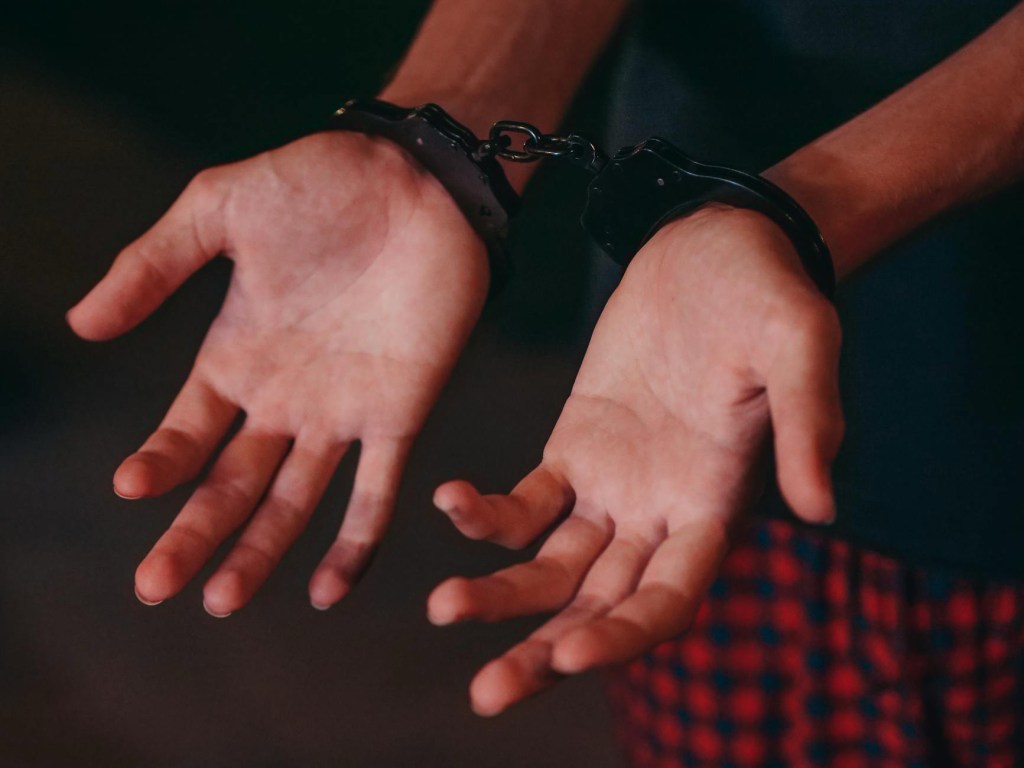
Freedom comes, but not without chains.
Life after incarceration is a daily fight, one filled with invisible battles. The world on the outside doesn’t always welcome you back. Instead, it watches you with suspicion. The label “formerly incarcerated” follows you like a shadow. It’s whispered in interviews, underlined in housing applications, and shouted in family silence. And no matter how much you’ve changed, for many, you’ll always be remembered by the worst chapter of your life.
Try finding a job with a record. You’re overqualified for manual labor, but disqualified for positions that match your experience. Employers say, “We’ll be in touch,” but the call never comes. Your resume goes in one pile, your background check in another. And the dreams you held onto while locked away begin to fade under the weight of rejection.
Housing is no easier. Applications denied, stigmas repeated, landlords who refuse second chances. People return home to couches, motels, sometimes tents, because even when they’ve served their time, the world still says they don’t belong.
Then there’s the personal cost.
Rebuilding relationships isn’t as simple as coming home. Children grow up. Spouses move on. Parents age. Some never make it to see your release. Trust is fragile. People are skeptical, waiting to see if you’ll fall again. You want to prove you’ve changed, but the weight of guilt and shame makes every conversation feel like a courtroom.
And still, you try.
You wake up early. You apply for jobs. You show up on time. You stay sober. You take classes. You go to therapy. You attend church. You become a mentor. You fight every day to prove that your life is more than your worst mistake.
But it’s exhausting.
Because society celebrates comeback stories on paper, but rarely invests in real redemption. Because the person-first language we’re encouraged to use, like person with a conviction or justice-impacted individual, means little when systems and institutions still see you as a criminal.
And yet, they persist.
The single mom rebuilding her life after incarceration, working two jobs, trying to earn back her children’s trust.
The father who missed his daughter’s first steps, but now drives an hour to every school event, praying she sees he never stopped loving her.
The son who watched his mother cry through glass, who now sits beside her at Sunday dinner, showing her that grace lives beyond prison walls.
These are not broken people.
These are resilient, determined human beings, living proof that failure doesn’t have to be final.
What they need is not pity.
What they need is not judgment.
What they need is opportunity.
A seat at the table, a fair chance, a door that opens without slamming shut because of a past they’ve already paid for.
If you’ve never walked this path, you may not understand. But if you believe in second chances, in restoration, in the power of change, then it’s time to stop talking about redemption and start making room for it.
Because life after incarceration shouldn’t be another sentence.
It should be a new beginning.
Let’s build a world that acts like it.
Written in honor of every person rebuilding from the ground up. You are not your past, you are your fight, your growth, your story.
 staceybooks
Leave a comment