We keep talking about second chance hiring.
It’s on conference stages.
It’s in corporate ESG reports.
It’s in LinkedIn posts with bold commitments and beautiful graphics.
There are coalitions forming. Pledges being signed. Roundtables happening. Panels discussing “inclusive talent pipelines.”
And yet…
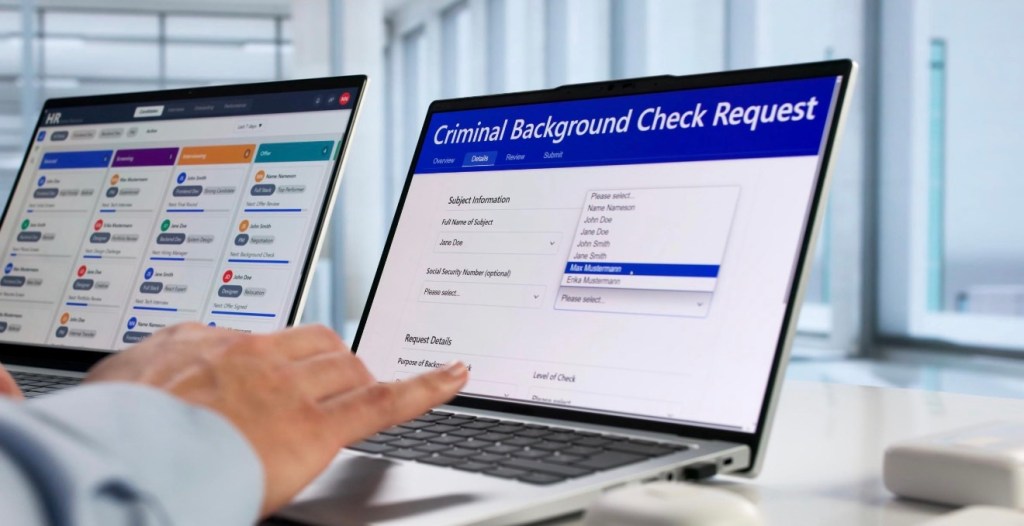
The offer letter disappears the moment the background check comes back.
So what’s happening?
The Truth We Don’t Want to Say Out Loud
Many companies want to be known as second chance employers.
Fewer companies have done the internal work required to actually be second chance employers.
There’s a difference between branding and infrastructure.
When the background check hits HR’s inbox, fear often wins:
Legal liability Insurance concerns Reputation risk Internal discomfort “We’ve never done this before”
So instead of individualized review, the system defaults to what it has always done.
Automatic disqualification.
The result? The same talented, skilled, workforce-ready individual – who just crushed the interview – is suddenly “not a fit.”
Not because of their skills.
Not because of their work ethic.
But because of a record that may be 5, 10, even 20 years old.
The Background Check Isn’t the Problem
The Policy Behind It Is.
Most background checks don’t make the hiring decision.
People do.
But too often, companies don’t have:
Clear adjudication policies Time-bound review standards Role-specific relevance criteria Training for hiring managers Leadership accountability tied to outcomes
So “second chance” stays a talking point instead of becoming a hiring practice.
From Chatter to Action
If we are serious about closing workforce gaps, strengthening communities, and reducing recidivism, we have to move beyond conversation.
Here’s what real action looks like:
1. Individualized Assessments
Evaluate the nature of the offense, how long ago it occurred, and whether it is relevant to the role.
2. Clear Adjudication Frameworks
Create written policies that outline how records are reviewed – not case-by-case emotional reactions.
3. Leadership Ownership
Second chance hiring cannot live only in HR. It must be owned at the executive level.
4. Measurable Hiring Goals
If it’s not tracked, it’s not prioritized.
5. Employer Education
Many hiring managers simply don’t understand risk data. Studies consistently show that individuals who gain stable employment are significantly less likely to reoffend. Employment is one of the strongest predictors of reduced recidivism.
We cannot say we believe in redemption while designing systems that deny it.
The Real Question
If a person has:
Completed training Developed in-demand skills Demonstrated consistency Earned certifications Proven themselves in structured environments
At what point does the past stop outweighing the present?
Because here’s what I see every day.
People who are more loyal.
More committed.
More grateful for opportunity.
More determined to succeed.
Second chance hiring is not charity.
It is workforce strategy.
It is economic strategy.
It is public safety strategy.
But strategy requires execution.
So maybe the question isn’t:
“Are we a second chance employer?”
Maybe the better question is:
“What happens in our company when the background check comes back?”
That’s where the real story begins.
 staceybooks
Leave a comment